Prebiotic and Boswellia …
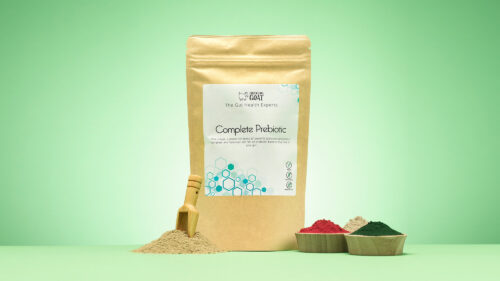
I use chuckling goat for their prebiotic powder and their Boswellia tincture. Both are excellent supplements one for gut health the other for arthritis in joints.
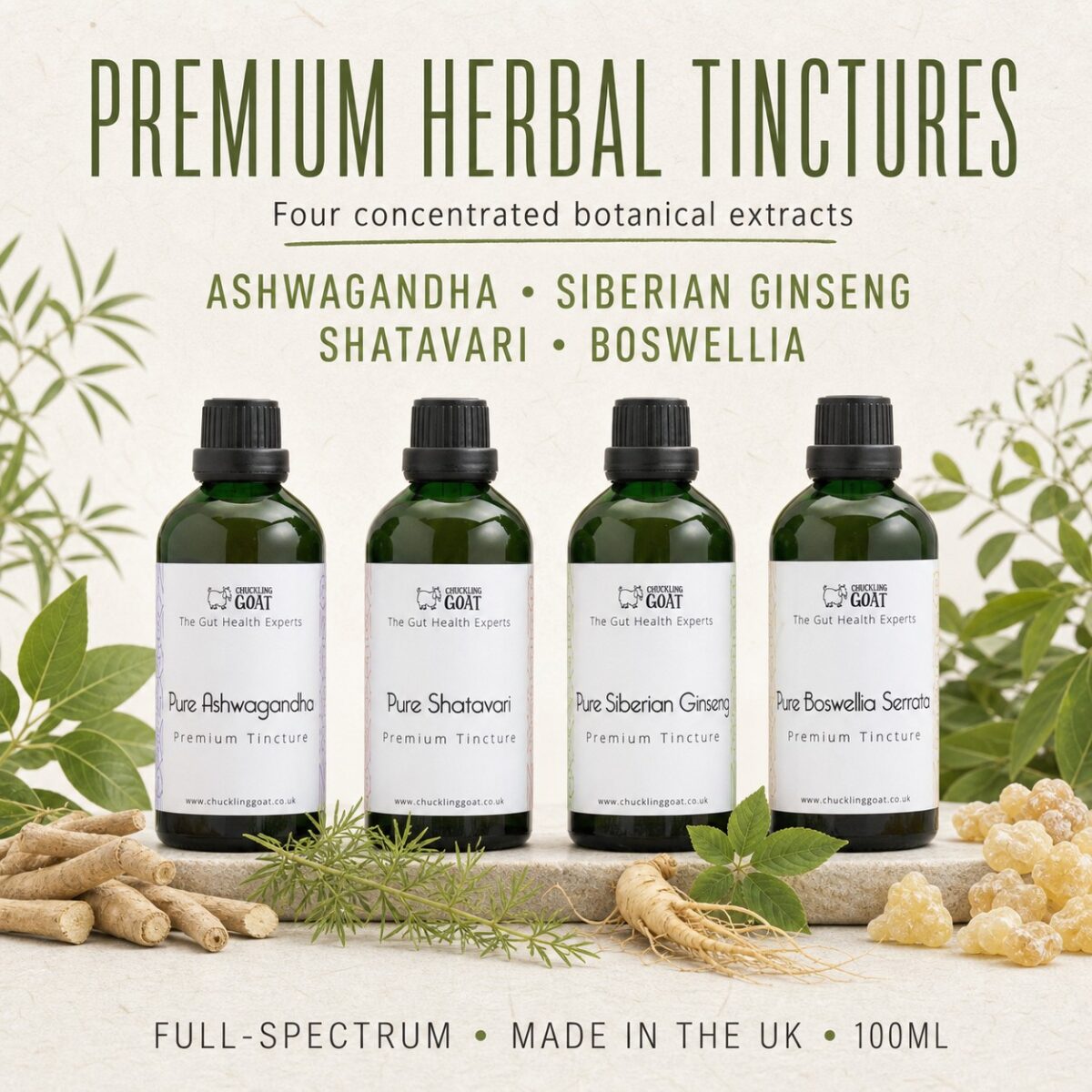
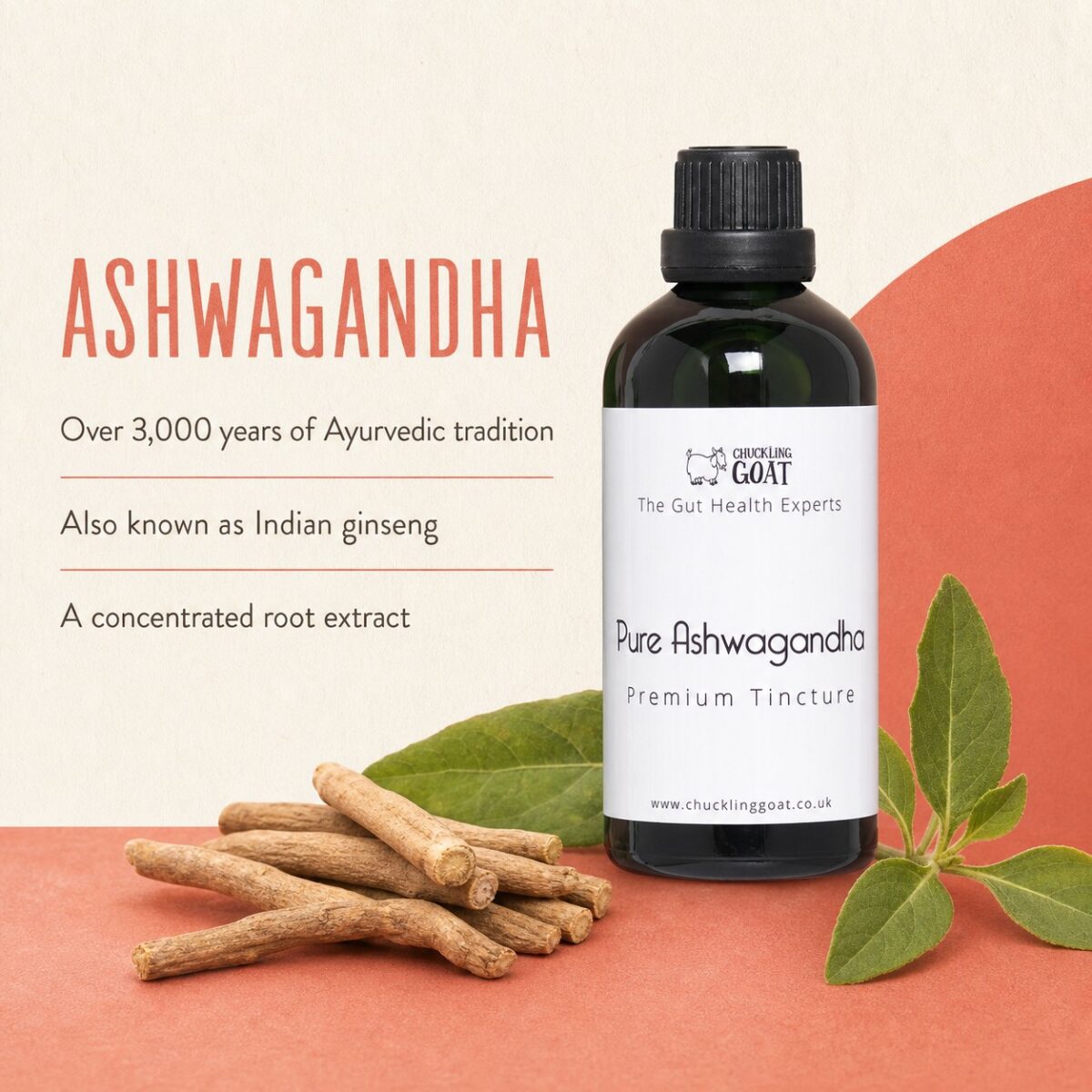
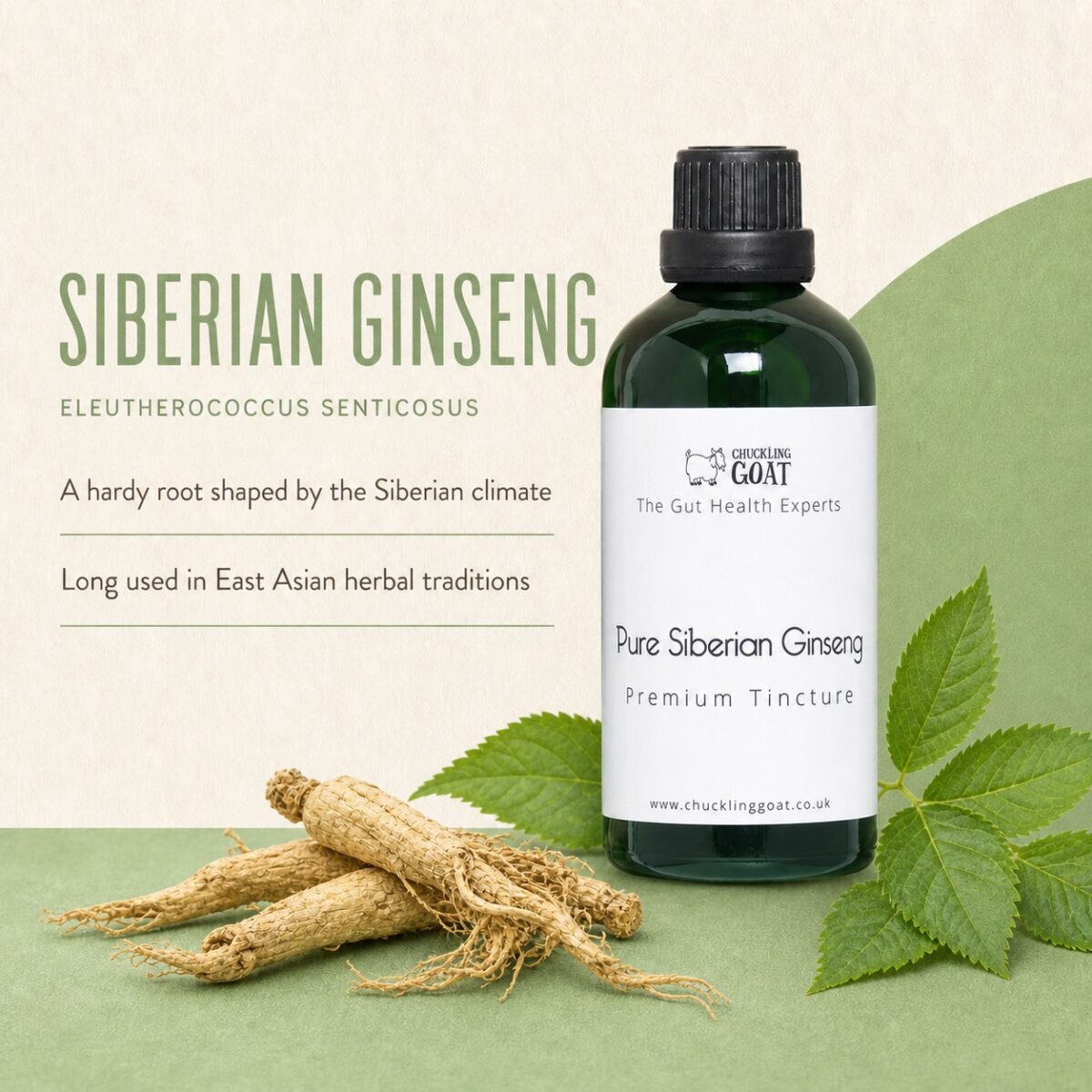
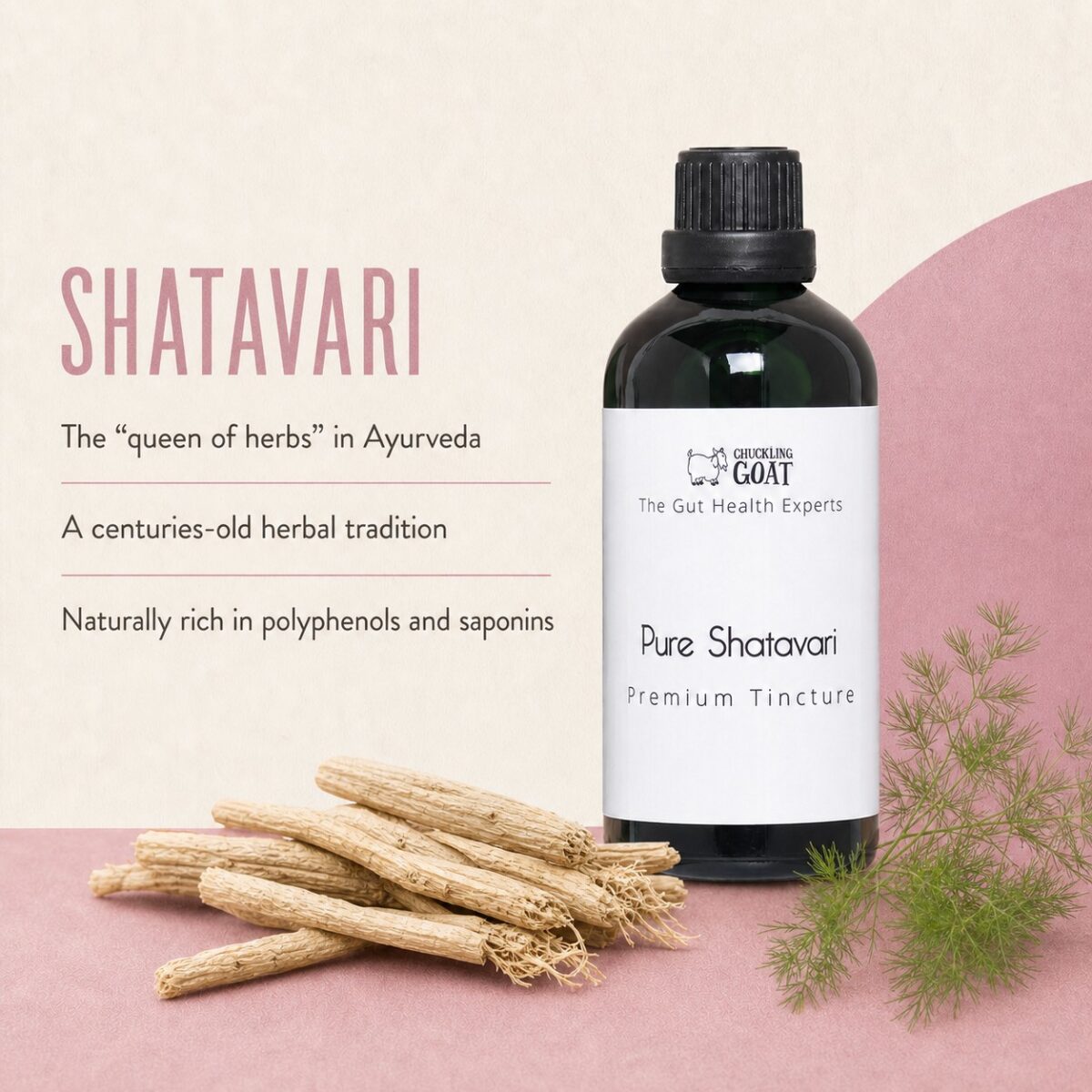
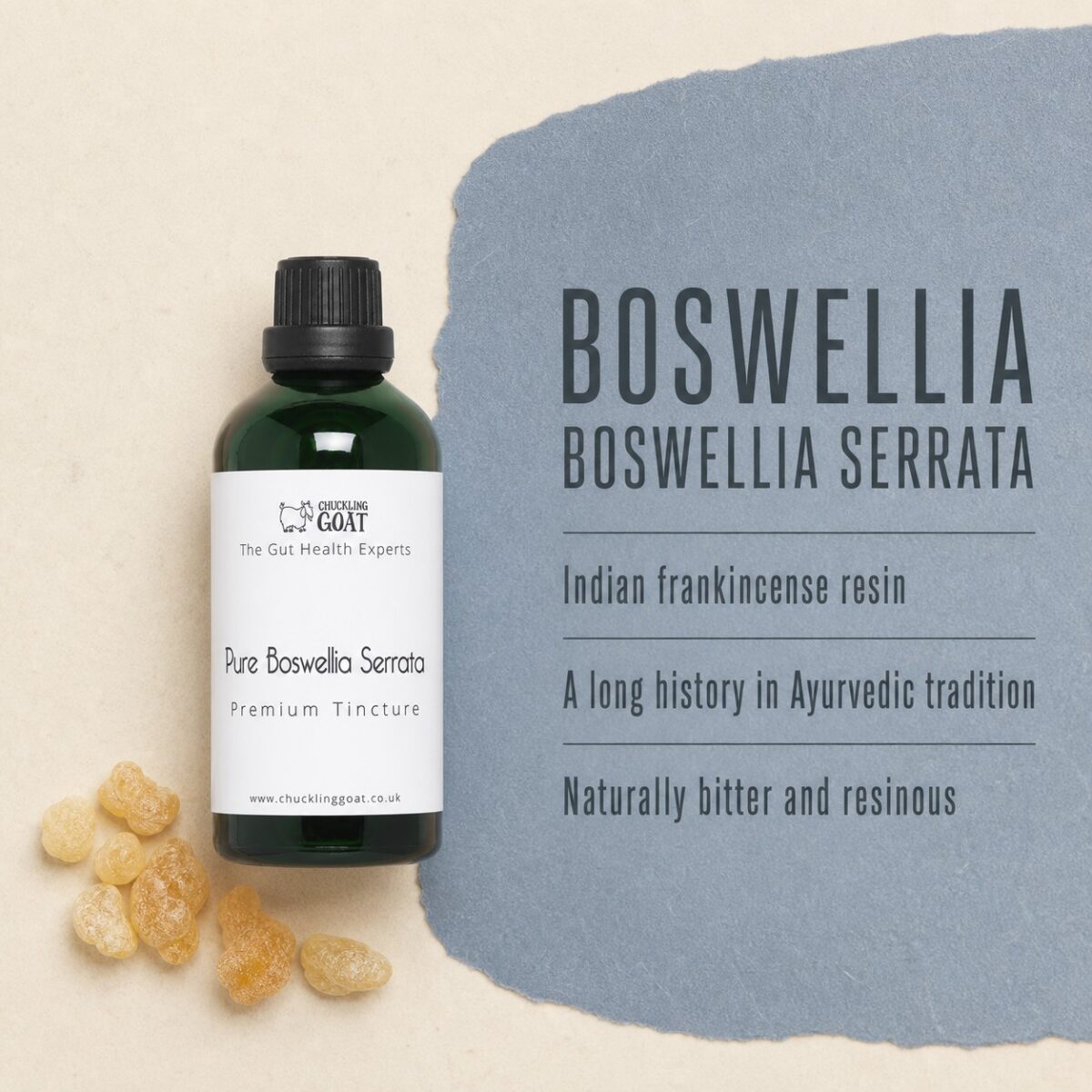
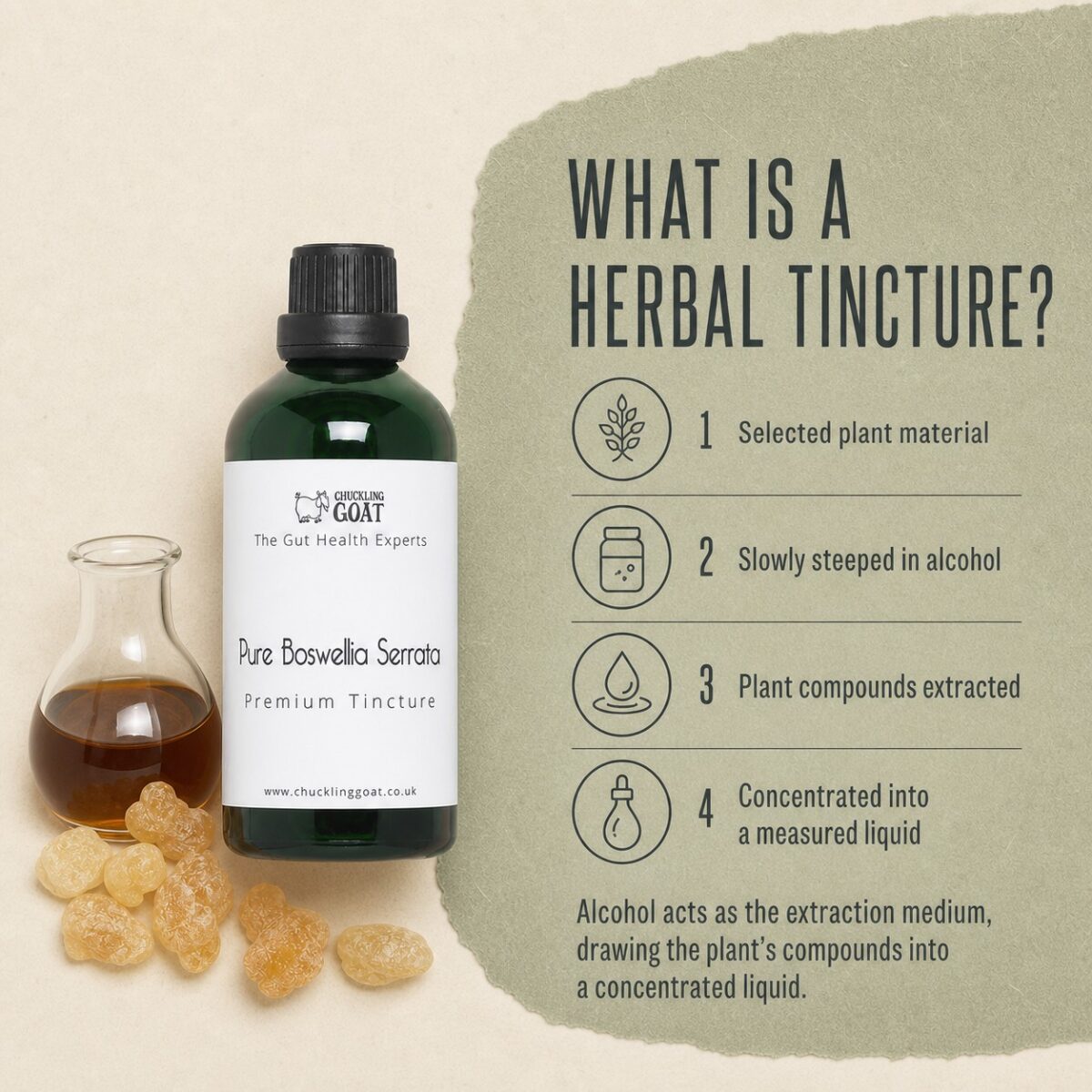
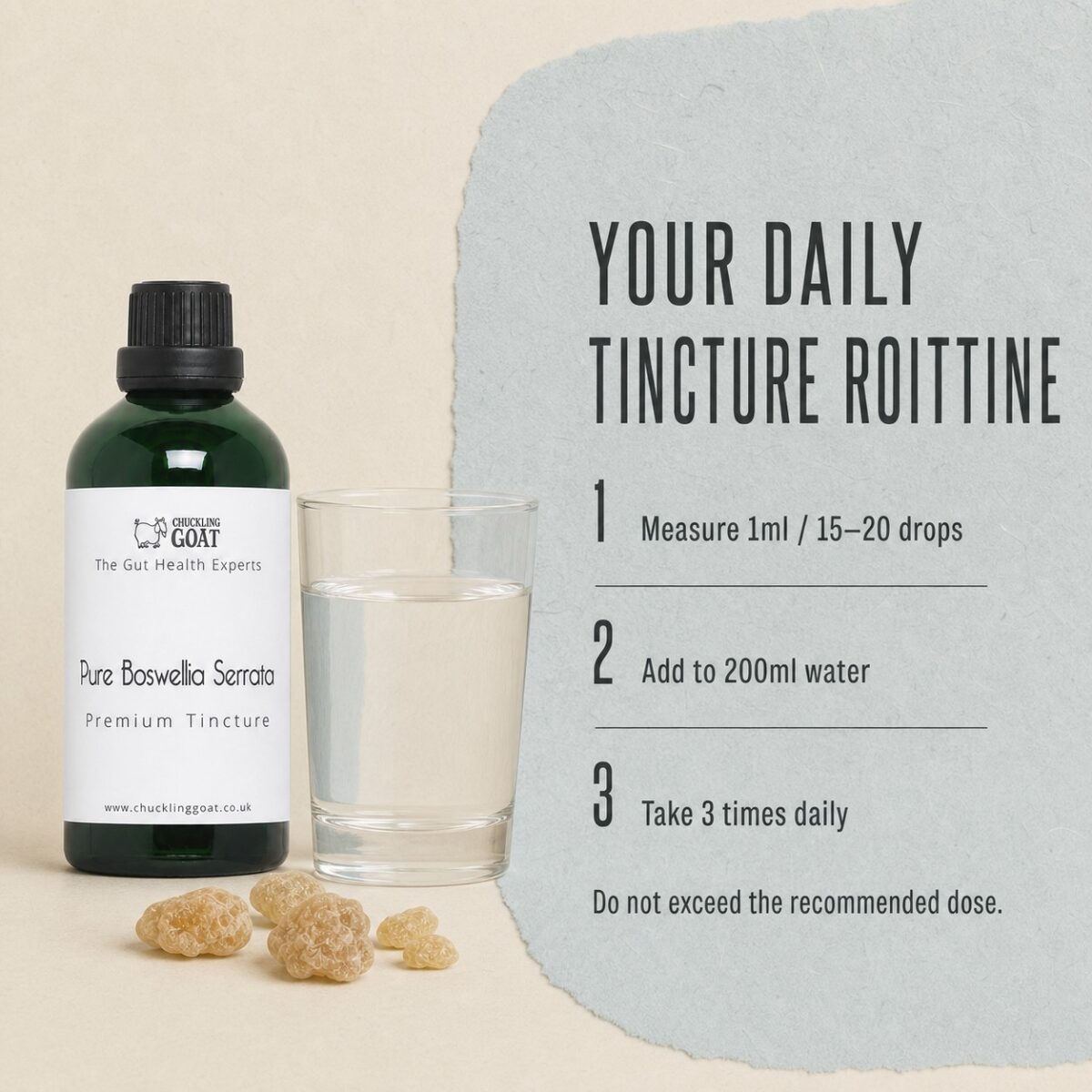
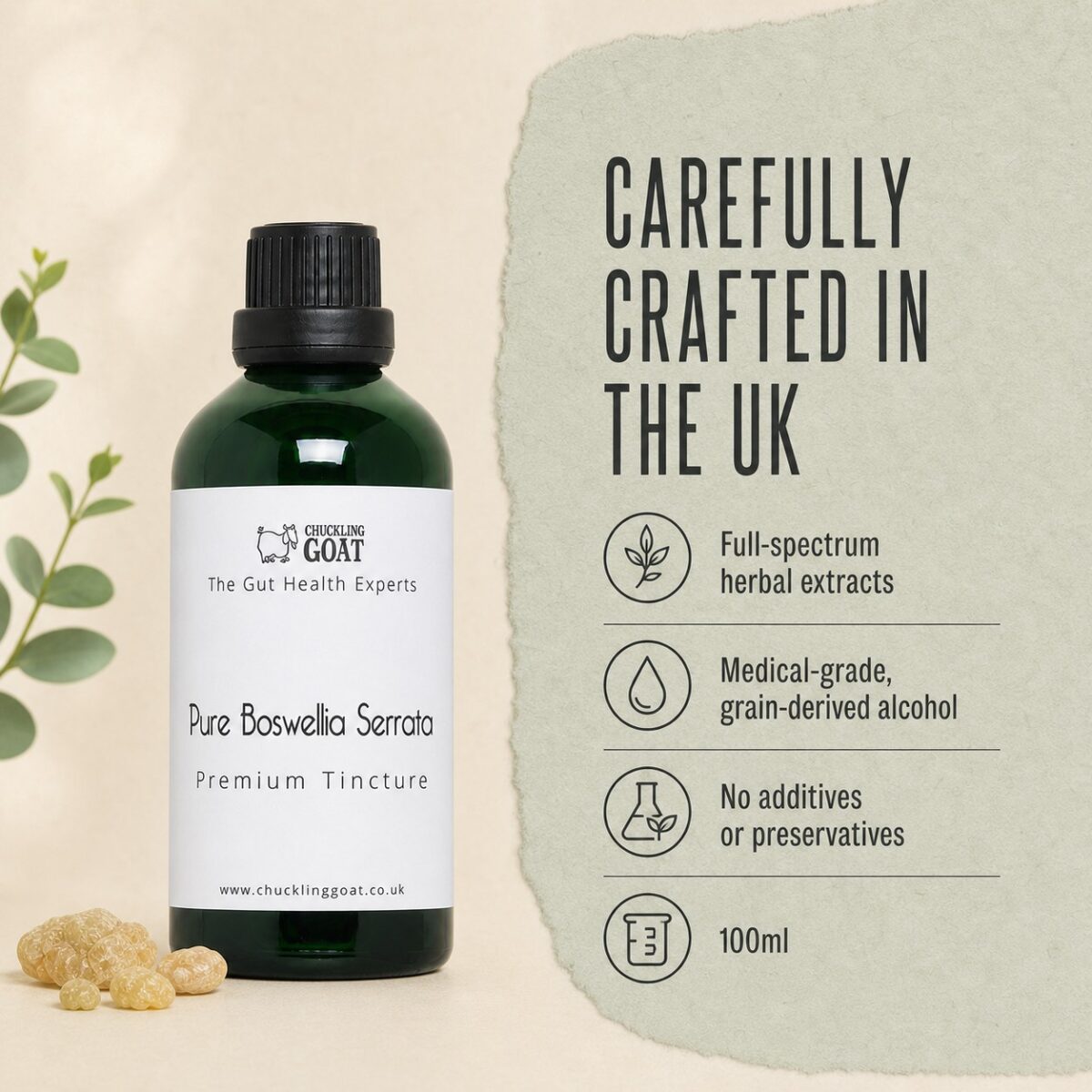
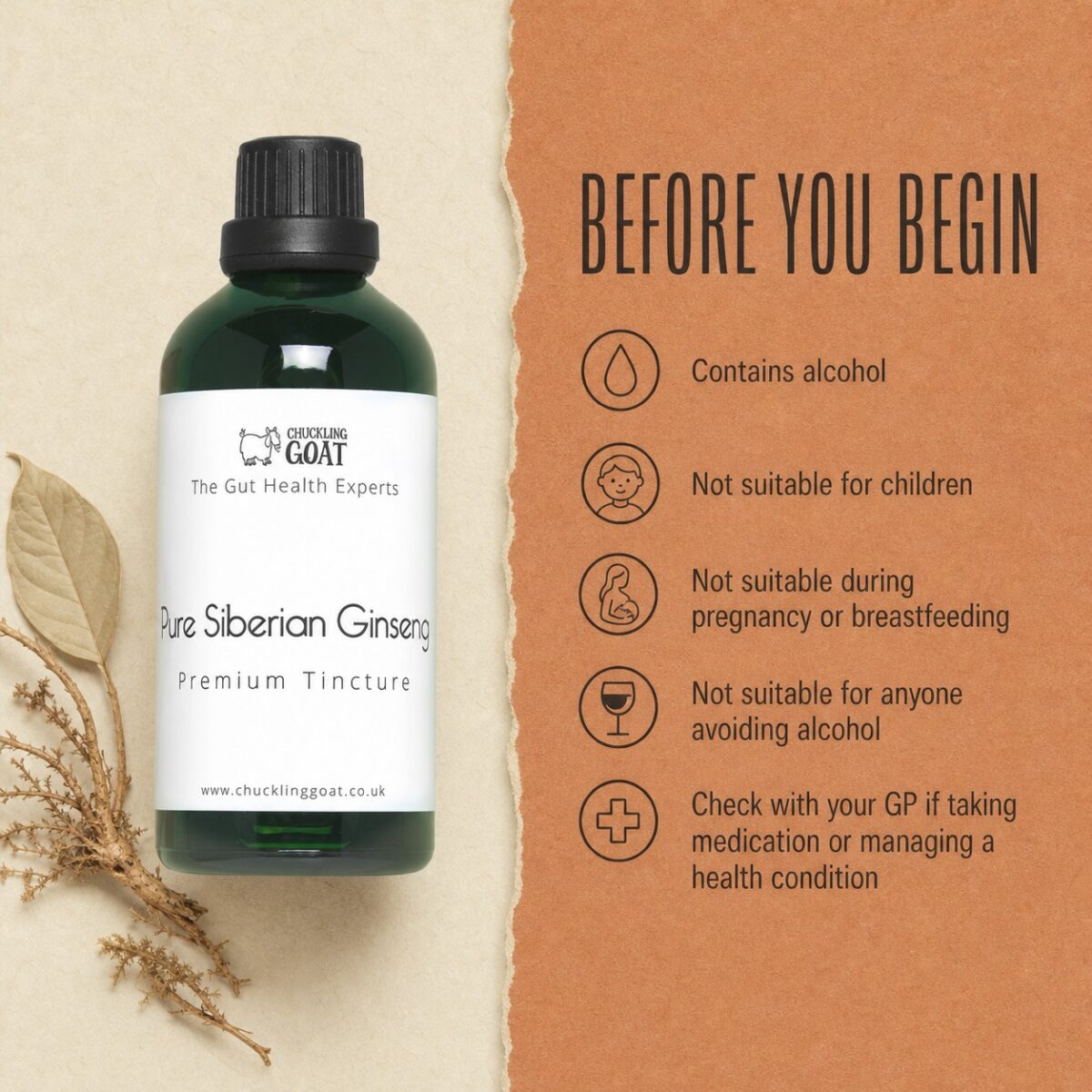
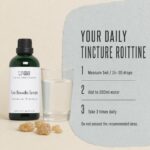
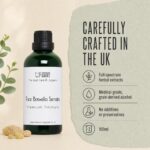
Expertly crafted in the UK for Chuckling Goat, our high-concentration, full-spectrum herbal tinctures deliver pure, potent benefits using only medical-grade alcohol – free from chemicals, additives, or preservatives. Each batch preserves active compounds for maximum effectiveness.
Dosage: 1 ml (15–20 drops) in 200 ml water, 3 times daily.
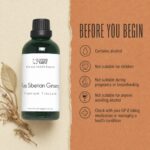
Note: Contains pharmaceutical-grade alcohol. Not suitable for children, pregnant or breastfeeding women, or those avoiding alcohol.
 FREE Delivery on orders £25+




Discover why customers choose Chuckling Goat. Verified Trustpilot reviews, from customers sharing their experiences with our products, subscriptions and customer service.
I use chuckling goat for their prebiotic powder and their Boswellia tincture. Both are excellent supplements one for gut health the other for arthritis in joints.
I use the kefir, lotions, soaps, teas and tinctures. They are all fantastic and far better than others I have tried. The customer service team are excellent; efficient, friendly, knowledgeable and quick to respond. Thank you Team CG
Excellent service, my tincture arrived within a couple days. I have been taking the tincture for 2 weeks now and I can feel myself calming down and do not feel so stressed. Thank you.
Products are excellent value particularly the organic tinctures on the two occasions I have had reason to contact them their staff have been extremely efficient helpful and friendly Such a pleasure to deal with a small family( and friends) run business I wish them continued success
Arrived in very good time and very nicely packaged. The tincture has had a positive effect and I have ordered another bottle.
I started on a low dose and gradually built it up; but even on the low dose I immediately felt better. My whole digestive system feels better and I no longer need to stay near a loo for a while after eating. It has also given me an amazing energy boost - which I really need because I have loooong covid.
Best kefir on the market. Have been using Chuckling Goat for 3years and have no more irritating gut issues. Always notified when payment is to be taken and delivery date due. Staff always helpful if there’s any questions and glad not to be talking to a bot. Shann’s news letters are always interesting reading. Use tinctures too - which are great and always have CG oil to hand. Great company fully recommend.
This is amazing stuff! I was in a huge amount of discomfort and had constant (Day and night even standing up) reflux with a cough and pain but after a day it improved to the point that now after only 3 weeks I feel perfectly well and it’s a distant memory. I like the flavour too!
Customer focussed, reliable, friendly service. Great products based on knowledge and experience backed up be research. They share lots of useful information on nutrition and health on their website too.
Chuckling goat has changed my life never thought it would make such a difference! I suffer with ulcerative colitis and I have tried everything this is the only thing that has worked and been able to reduce my medication to hardly using any these days. I haven’t had a flare while been in this so it speaks for itself 🙂
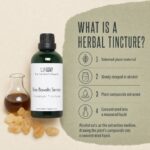
Tinctures are concentrated herbal extracts made by soaking some part of a plant in alcohol, which works to pull out or “extract” the active ingredients in the plant parts, concentrating them as a liquid. This liquid can then be consumed by adding 15-20 drops into a small amount of water.
Tinctures have been around for millennia and are a key component of traditional herbal medicine. Tinctures make it easy to consume the natural health-boosting chemicals found in some plants. An estimated 80 percent of the world population relies on tinctures for at least some of their healthcare needs.8
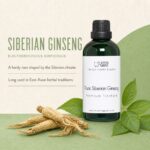
Our premium organic herbal tinctures are made right here in the UK, by soaking one part certified organic Siberian Ginseng root in three parts 30% alcohol.
We use a medical grade alcohol which is grain-derived, pure 95.5% ethanol with a distilled water 4.5% additional, adhering to the British and European pharmacopoeia monograph specification. It is approved for use in medicine production and perfectly safe for human consumption.
Wellness supplements should not be used as a substitute for a varied, balanced diet and a healthy lifestyle • Keep out of reach of children • Please seek medical advice if pregnant • Do not exceed stated recommended daily dose • Store in a cool dark place.
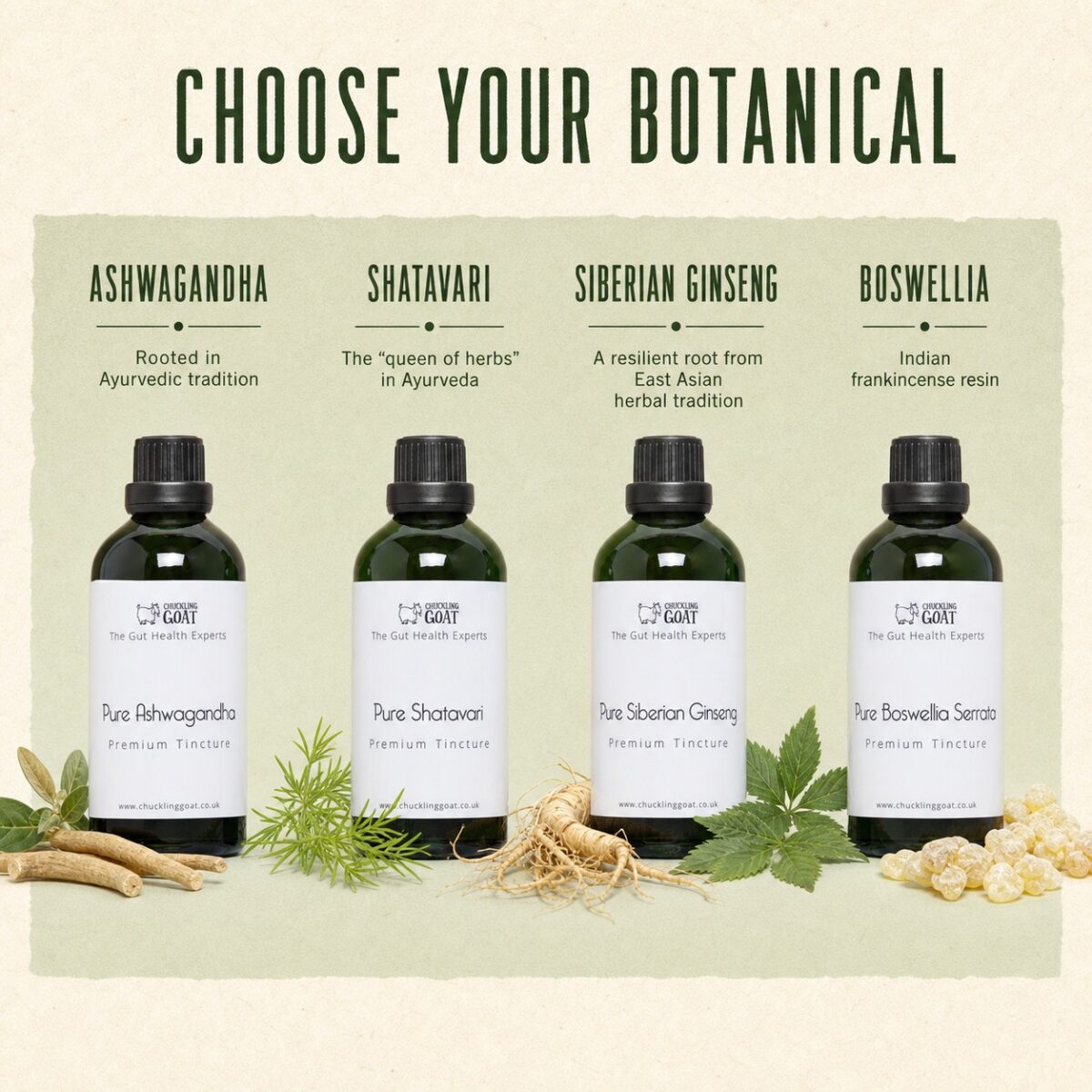
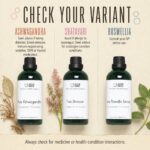
Explore the traditional herbs behind our four premium tinctures. Each botanical is extracted separately in the UK using pharmaceutical-grade alcohol to preserve its naturally occurring compounds.
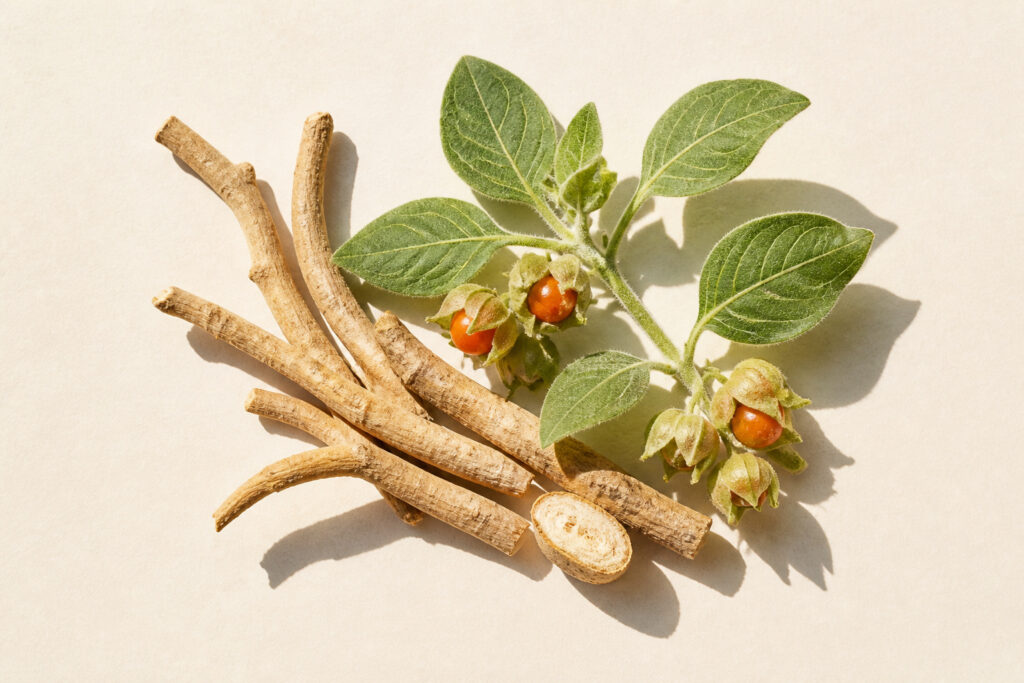
A revered Ayurvedic herb with a history stretching back thousands of years, Ashwagandha is prized for its robust fibrous roots and diverse profile of naturally occurring phytochemicals.
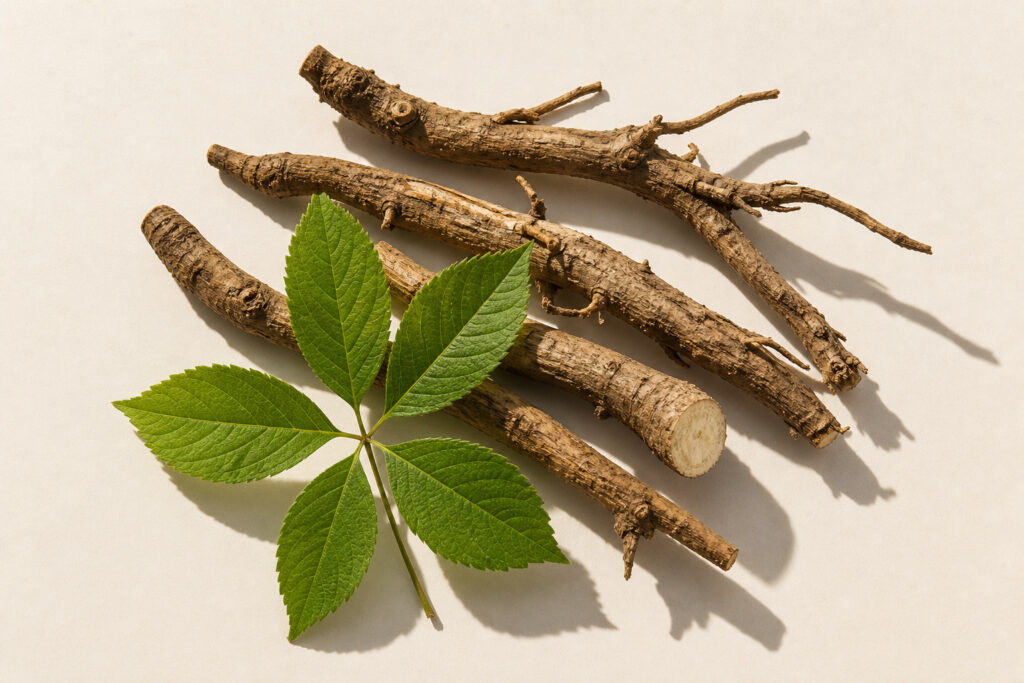
Also known as Eleutherococcus senticosus, this resilient East Asian shrub thrives in demanding climates. Its woody root has a long-standing place in traditional herbal practice.
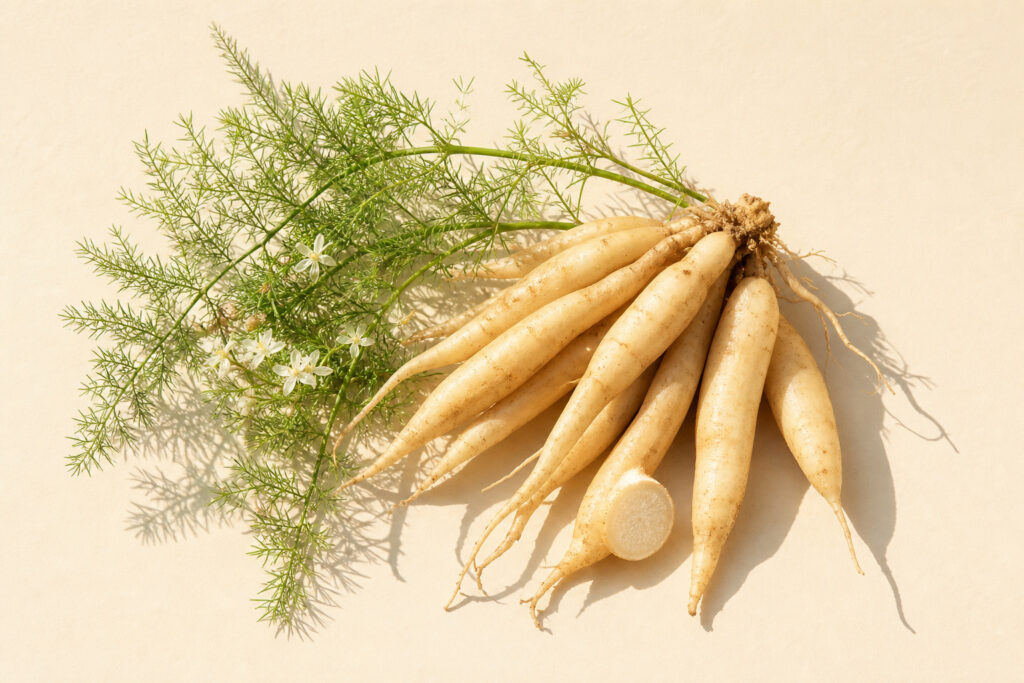
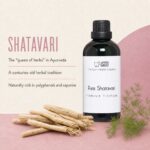
Known as the “queen of herbs” in Ayurveda, Shatavari is recognised by its pale tuberous roots and delicate feathery foliage. It naturally contains saponins and polyphenols.
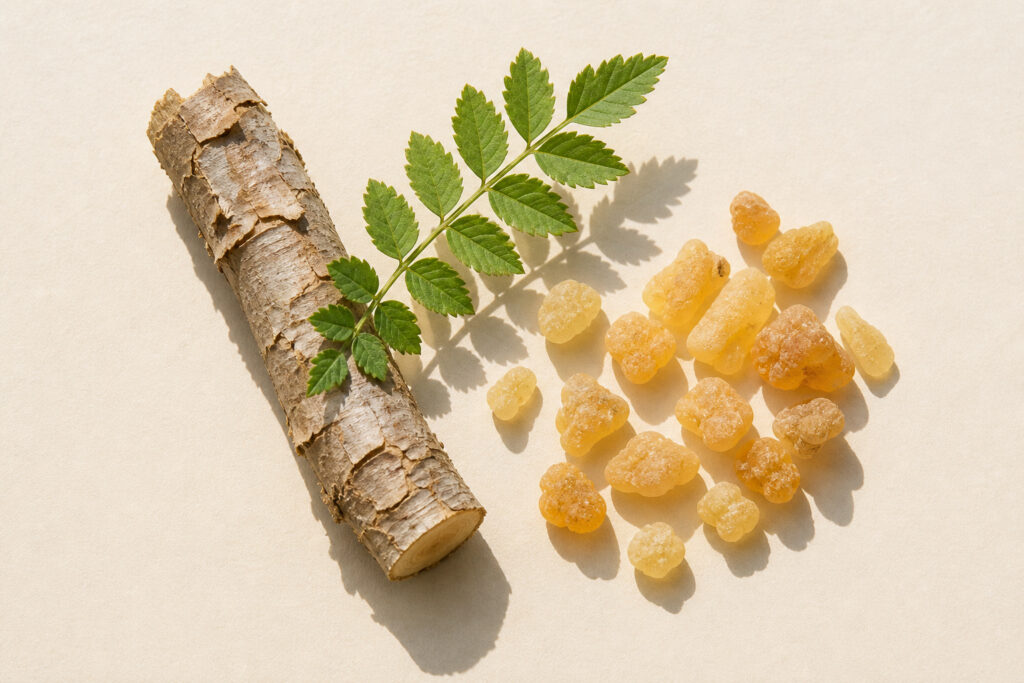
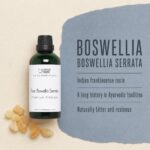
Indian frankincense is the aromatic resin of Boswellia serrata. Its translucent golden resin tears naturally contain boswellic acids and give the tincture its distinctively rich, bitter character.
Our liquid tinctures are concentrated herbal extracts made by carefully selected plants traditionally used to promote wellbeing. They are easy to take and offer a convenient way to incorporate herbs into your daily routine.
Our tinctures are made using high-quality herbs and medical-grade alcohol. Each tincture contains only the ingredients listed on its label, with no unnecessary additives.
Using traditional tincturing methods, the herb is soaked in medical-grade alcohol and then strained, allowing the beneficial plant compounds to be extracted and preserved in liquid form. Our tinctures are made with a 1:3 ratio – one part herbs to three parts alcohol.
Tinctures have been used for centuries in herbal practice as an easy way to take herbs that are associated with health and wellbeing. Because they are liquid extracts, they are absorbed quickly and can be taken in amounts that suit individual needs.
We only use alcohol-based tinctures, as alcohol provides a traditional and highly effective method for extracting and preserving herbal compounds compared to glycerine-based alternatives.
Dilute 15-20 drops of the tincture into a small amount of water and take this three times daily.
The recommended amount will vary depending on the individual, but we usually recommend between 15-20 drops three times a day.
Yes, tinctures can be mixed with water or juice if preferred. If adding to a warm drink, allow the drink to cool down before adding, as very hot liquids may affect the tincture and its volatile compounds.
Dosage and frequency depend on the herb and your individual needs. Gentle herbs like Ashwagandha and Shatavari can be taken daily, while others, such as Siberian Ginseng, benefit from a short break cycle. Boswellia is typically taken for periods of temporary discomfort and inflammation. As always, listen to your body. If you’re unsure or are taking medications or managing a health condition, it’s best to consult a qualified healthcare professional.
Yes, tinctures can be safely combined, and many of our clients do this to enjoy the different benefits of each herb. Some prefer to introduce them gradually. If you’re taking medication or have a medical condition, it’s best to check with your doctor or GP first.
Many herbs, including Boswellia and Ashwagandha, have been studied in children without reported side effects. However, all our tinctures are made with medical-grade alcohol, so whether you are comfortable giving your child a few drops of alcohol is purely a personal choice. Always check with your GP or consultant before starting any new supplement.
Any amount of alcohol can affect foetal development, so we do not recommend using alcohol-based tinctures during pregnancy. While breastfeeding, occasional alcohol is generally considered compatible, and the small amount in our tinctures – typically 15-20 drops, up to 3 times a day (around 1.7-2.3ml, less than half a teaspoon) is similar to the trace alcohol you’d naturally find in a ripe banana or some fruit juices. There’s no evidence that this amount causes harm while breastfeeding. That said, the decision to use tinctures while breastfeeding is a personal one. It’s best to discuss it with your GP or consultant to make the choice that’s right for you and your baby.
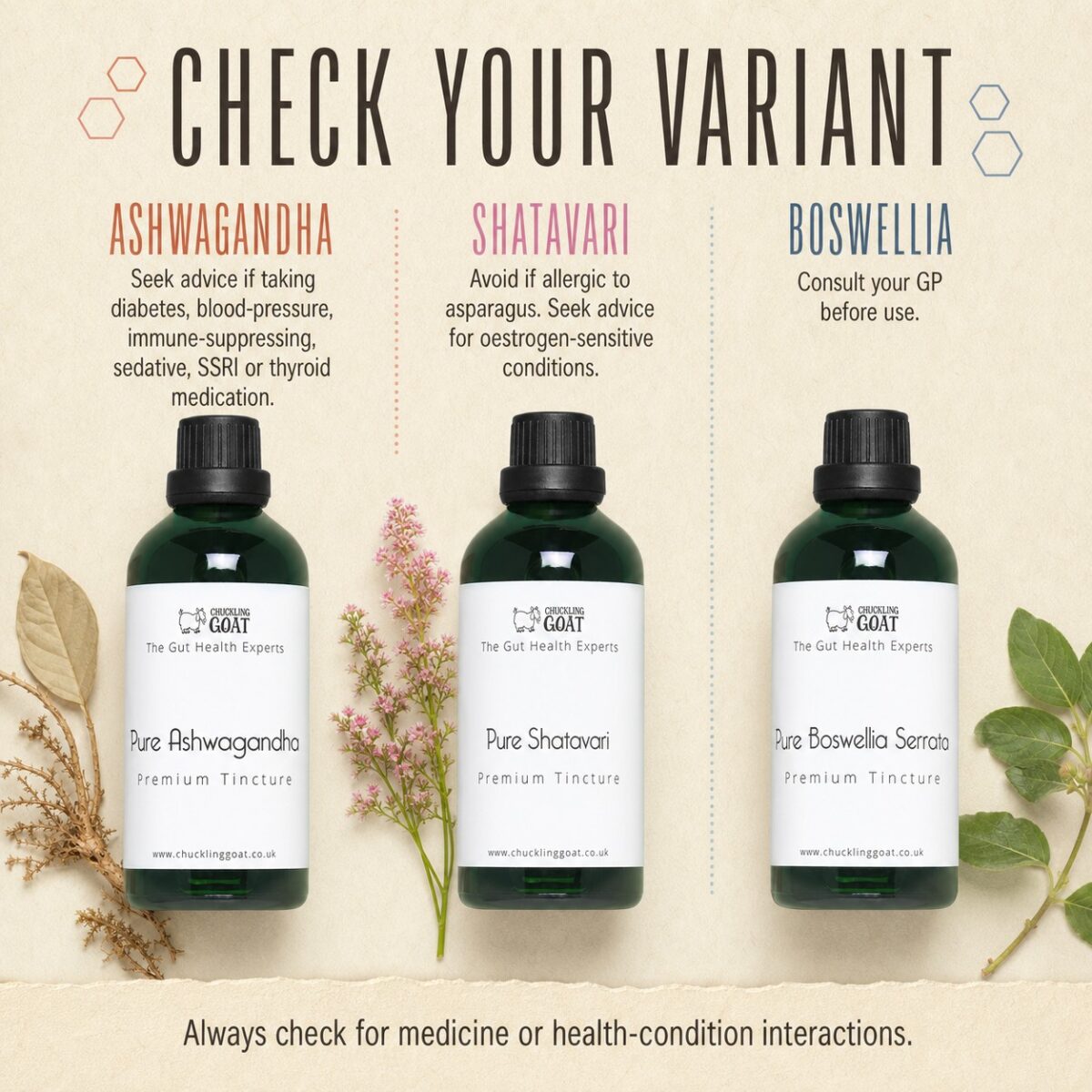
As we are not medically trained, we advise you to check for contraindications with any medications you may be taking with your GP or consultant.
Check the label carefully before use. If you have known allergies to any of the ingredients, we do not recommend taking the tincture. Some herbs, such as Shatavari, can cause allergic reactions in certain people. If you’re allergic to asparagus, avoid this supplement. Seek medical attention if you experience worsening asthma or allergic reaction symptoms. If you have a particularly sensitive system, start with a small dose and monitor how you feel. If you’re unsure or have existing health conditions, it’s best to consult your GP or doctor before trying a new tincture.
Yes, our tinctures are vegan and fully plant-based.
The time can vary depending on the herb, your body, and what you’re using it for. Some people notice subtle effects within a few days, while for others it may take a few weeks to months of regular use. Listen to your body and follow the guidance on the product label.
Many of our tinctures, like Ashwagandha, Shatavari or Boswellia, can be taken on an ongoing basis with occasional breaks every few months if needed. With Shatavari, as it’s a stimulant, we recommend 6-weeks on, 2-weeks off.
Some herbs benefit from an occasional break. For example, Siberian Ginseng is stimulating, so it’s best taken 6-weeks on, 2-weeks off. Gentler herbs like Ashwagandha or Shatavari can usually be taken continuously, but listening to your body and taking occasional breaks is always a good approach.
Tinctures should be kept in a cool, dark place, away from direct sunlight and heat. Make sure the cap is tightly closed to maintain their quality.
When stored correctly, most tinctures will keep their quality for 2-3 years after opening. Always check the best-before date on the product label for specific guidance.
No, tinctures do not need to be refrigerated. Storing them in a cool, dark cupboard is usually sufficient. Avoid leaving them in areas that get hot or damp, such as near a radiator or windowsill.
The right tincture depends on what you’re hoping to support. Each herb has different traditional uses, so it’s best to choose based on your goals and how you feel day-to-day. If you’re unsure, you can contact one of our Nutritional Therapists via live chat or email, weekdays from 8am to 8pm, for personalised guidance.
Yes, tinctures can be used alongside kefir, prebiotics and other supplements. Many people combine them as part of their daily wellness routine. However, if you’re taking medication, have a health condition, or are unsure how different products might interact, it’s a good idea to check with your GP or healthcare professional first.